
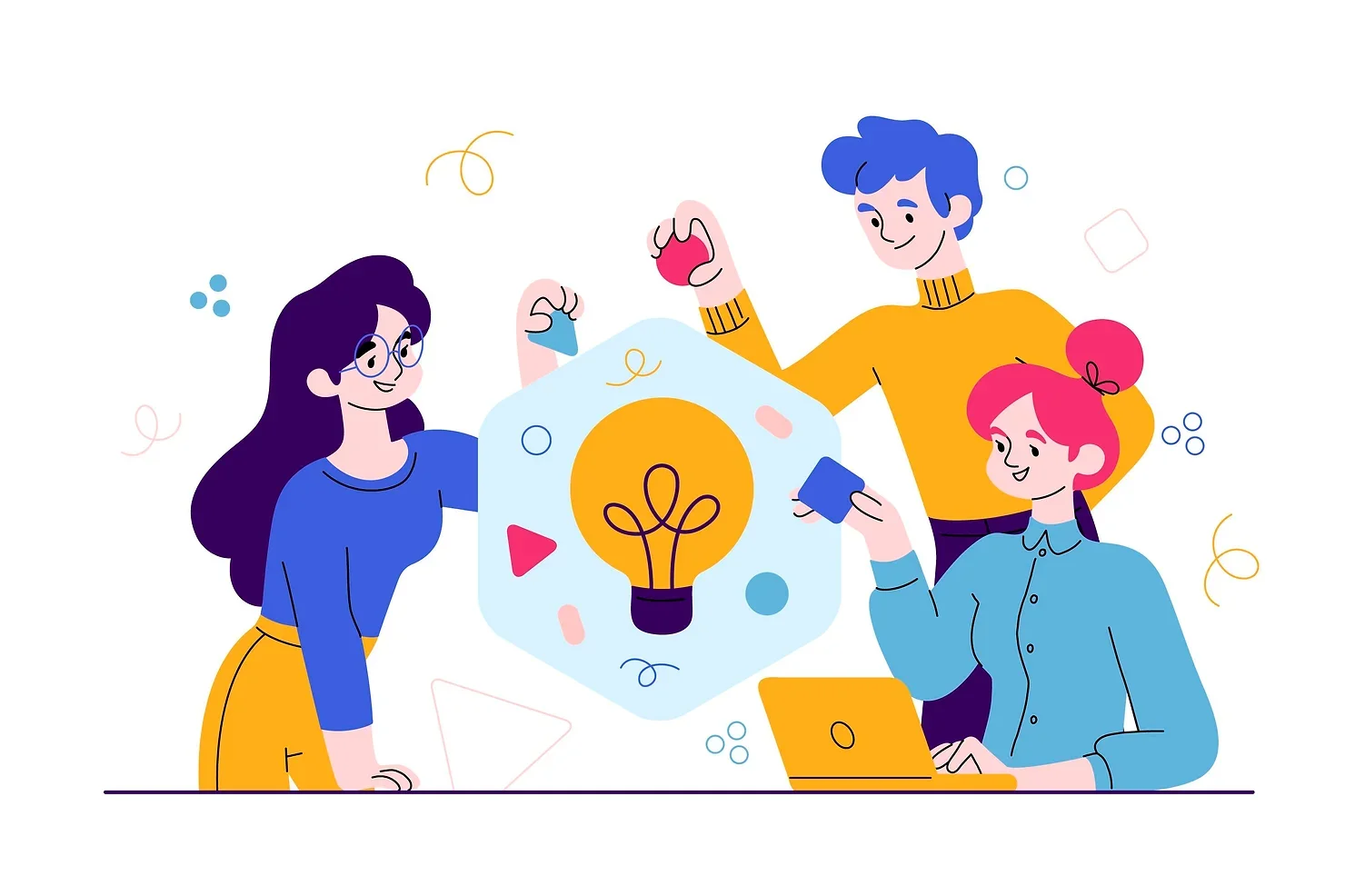
Have you ever heard the terms Hard Skills and Soft Skills? These concepts are increasingly present in the corporate world and are vital to the hiring process. These two metrics are fundamental when selecting the right candidates for your company and can prevent financial losses in the future. Today, HR managers are focused on finding individuals who possess diverse abilities, not just technical ones.
The Difference Between Hard Skills and Soft Skills
-
Hard Skills: These are specific technical abilities acquired through training, study, or practical experience. They are measurable and can be proven through certificates or diplomas. Examples include computer programming, video editing software mastery, or advanced financial mathematics. They are necessary for executing specific tasks and meeting technical job requirements.
-
Soft Skills: These are interpersonal and behavioral skills, such as communication, teamwork, flexibility, empathy, and problem-solving. While harder to measure, they are highly valued as they demonstrate an individual’s ability to adapt. Examples include leadership, resilience, and conflict resolution. These are often acquired through life experience and social interaction.
The Importance of Combining Both When Hiring
Technical knowledge is fundamental, but knowing how to communicate and handle atypical situations (like hybrid work) is equally crucial.
-
Hard Skills Evaluation: Ensures the candidate can perform the job efficiently. Lack of these skills leads to errors and delays.
-
Soft Skills Evaluation: Leads to a more collaborative and productive environment. Employees with empathy and resilience handle changes and challenges much better.
A Successful Team!
By uniting Hard and Soft Skills, you form a high-performance team. Furthermore, identifying the specific talents of each employee prevents “underutilization.” When employees are placed in roles that match their natural abilities, they reach their full potential, contributing to organizational success.
Better Fit with Company Culture and Values
Hiring based on both metrics ensures the new employee aligns with the company’s “soul.” Employees with strong behavioral skills, such as ethics and integrity, are more likely to act in accordance with corporate values and set an example for others.
The Cost of a Bad Hire
Hiring the wrong candidate is a major setback. Research shows that a bad hire can cost up to twice the employee’s annual salary due to wasted recruitment resources, training time, and impact on team productivity.
Develop your team’s Hard and Soft Skills with TothBe! Explore our portfolio of animated and gamified awareness training for a unique learning experience. Contact: contato@tothbe.com.br